The integration advantage: How embedded pharmacies are closing the specialty drug gap
Clearway Health’s CEO, Brandon Newman, discusses how embedding pharmacies in clinics improves adherence and accelerates biopharma innovation for complex therapies.
Brandy Fidler, Editor, Business Strategy
October 2, 2026
5 Min Read
At a Glance
- Embedded specialty pharmacies reduce prescription-to-patient time from weeks to just a few days overall
- Health system pharmacies document patient data in EHRs, eliminating clinical blind spots for providers
- Clinic-based teams help prescribers confidently adopt newer high-cost therapies in cardiology, oncology
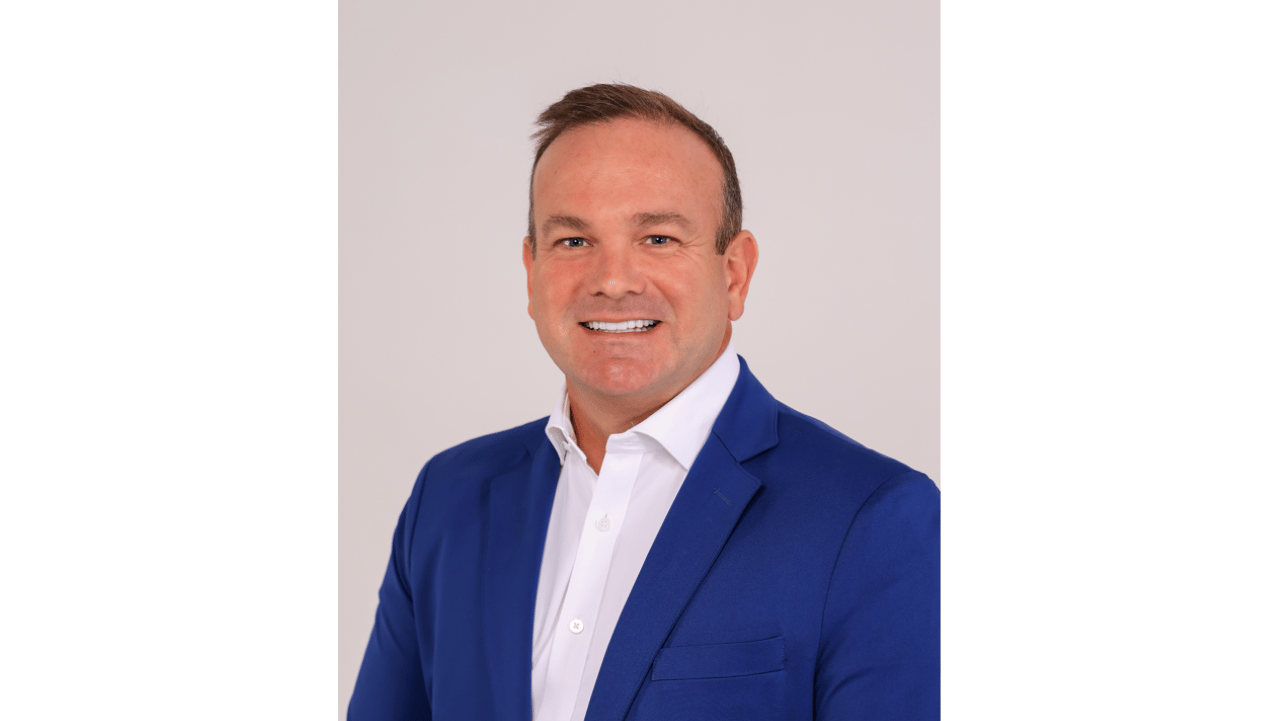
Brandon Newman, PharmD, CEO of Clearway Health, spoke with BioXconomy about the developing role of health system-owned specialty pharmacies and how this integrated model is accelerating patient access, improving clinical adherence, and creating a far more collaborative channel for biopharma manufacturers.
Specialty medications are known to change lives by slowing disease progression and managing debilitating symptoms. Yet patients face significant barriers such as weeks-long prior authorizations, copays in the thousands, and poor communication between external pharmacies and prescribing physicians.
Newman, also a pharmacist with 20 years of specialty pharmacy experience, has witnessed these challenges firsthand. “I really love specialty pharmacy. I’m passionate about it because these are chronic conditions that most of the time there’s no cure. The patients are going to live with disease for a long time, so I kind of see it as an opportunity to help give patients their lives back, slow the progression of disease, help them manage their side effects,” he said.
However, his early career working for independent specialty pharmacies revealed critical gaps in the system. “Some of the challenges when I worked for these independent pharmacies were connectivity and communication back to the doctor’s office. So these are high-cost medications. A lot of times they send a prescription in, and we try to process it and oh, it needs prior authorization or it’s a $1,800 copay. Things that we need to be in sync with the doctor’s office on getting things completed so we can get insurance authorization.”
According to Newman, integrating specialty pharmacy operations directly within non-profit health systems rewrites this entirely.
To bridge that connectivity gap, Clearway Health, specialty pharmacy services and consulting company, was launched as an enterprise born out of Boston Medical Center. After building a successful internal specialty pharmacy program to serve its own vulnerable patient population, Boston Medical Center recognized that non-profit health systems across the country were facing identical hurdles, Newman explained. They created Clearway Health as an LLC to help health systems build, operate, and optimize their own specialty pharmacies nationally.
The company’s approach represents a reimagining of specialty pharmacy operations. Rather than operating as an external vendor, Clearway partners with nonprofit health systems to establish locally embedded specialty pharmacies that function as integral parts of the healthcare team.
Related: How AI is streamlining patient support behind the scenes
“We build and operate specialty pharmacies under the brand and ownership of the health system,” Newman said. “Our staff wear the hospital’s badge, sit right inside the clinics alongside prescribers and nurses, and work out of the exact same electronic health record [EHR] system. They can tap the provider on the shoulder when an authorization issue arises or when a patient needs financial help.”
The impact on speed-to-therapy is immediate, according to Newman. In a traditional model, getting a specialty prescription filled and authorized often takes two to three weeks.
“It takes these turnaround times from prescription writing to when the patient gets drug in hand from two to three weeks down to a couple of days,” he told us.
Eliminating “black holes”
Beyond initial access, the clinic-embedded model addresses the ongoing challenge of clinical adherence and continuous tracking. When specialty medications are dispensed by external mail-order facilities, routine patient follow-up—such as checking lab values, monitoring side effects, or tracking missed deliveries—occurs outside the health system’s line of sight. That critical patient data often vanishes into a documentation “black hole,” Newman said.
Related: Physicians say 96% of patients quit meds due to cost without telling them, survey finds
By conducting all specialty care from within the health system’s native EHR, Clearway is able to ensure that prescribers maintain visibility into their patients’ treatment journeys between clinic visits.
“If a patient is experiencing side effects, if they have to hold medication, or if they’re having compliance issues, our team documents all of that directly in the medical record,” Newman said. “When the patient walks in for their next appointment, the provider sees that complete history. It elevates the quality of care and makes those clinic appointments vastly more meaningful.”
This continuous monitoring translates directly into better clinical outcomes. Newman pointed out that the model also enables providers to prescribe newer, more effective therapies with confidence, knowing that embedded teams will conduct the intensive lab monitoring and side-effect management these medications require.
Unlocking the biopharma pipeline
As biopharmaceutical innovation accelerates, specialty medicines are expanding beyond traditional oncology and rare disease categories into broader therapeutic areas, such as cardiology.
“We are seeing specialty medications in disease states that have not had specialty medications before. Cardiology is a good example,” Newman explained. “The nurses and providers in these clinics are not used to navigating this complexity that goes along with getting the patients started and approved on those medications.”
Without embedded support, clinicians can become hesitant to prescribe advanced, high-cost therapies—even when they represent the best clinical option for the patient.
“Clinicians may worry that they’ll never be able to get their patients approved for these medications, or that they won’t have the staff to manage the intensive lab checks and side-effect follow-ups required,” Newman explained. “As a result, they might default to older, less effective treatments just because they know they can get them easily.”
Newman noted that Clearway’s clinical teams closely follow the biopharma drug pipeline to educate clinic staff on incoming therapies. Additionally, he emphasized that Clearway’s model offers pharmaceutical partners a significant advantage: embedded clinical teams who can leverage EHR data to screen for patients meeting specific clinical criteria—including relevant lab values and treatment histories—ensuring new specialty medications reach appropriate candidates through a coordinated approach.
A sustainable model
For non-profit health systems operating on increasingly tight margins, launching an internal specialty pharmacy also provides potential financial sustainability. Operating a specialty pharmacy requires navigating complex accreditation standards and high drug procurement costs. Clearway guides health systems through these complexities, ensuring they can leverage programs like the 340B drug pricing program to acquire therapies at appropriate pricing for underserved populations, according to Newman.
Importantly, capturing specialty pharmacy revenue internally creates an essential, recurring funding channel for safety-net institutions.
“Specialty pharmacies for non-profit health systems create a separate revenue stream that helps fund clinical programs for uninsured and underinsured patients,” Newman said. “We're helping patients live better lives and manage through some of these oftentimes life-changing diagnoses and also enabling providers to see patients to take better care of patients.”